FluencyBank English MichiganChild Corpus
|
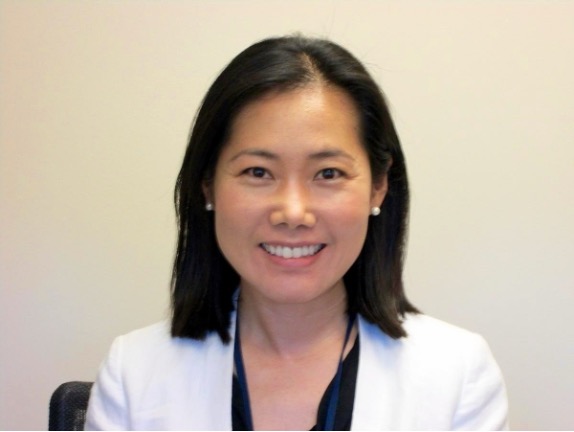
Soo-Eun Chang
Department of Psychiatry
University of Michigan
sooeunc@med.umich.edu
|
|
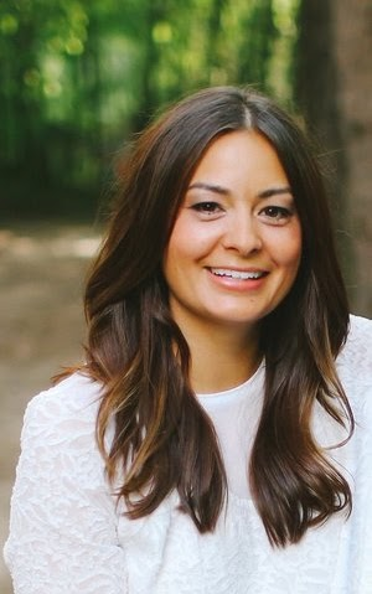
Megan Sheppard
Department of Psychiatry
University of Michigan
mesheppa@med.umich.edu
|
|
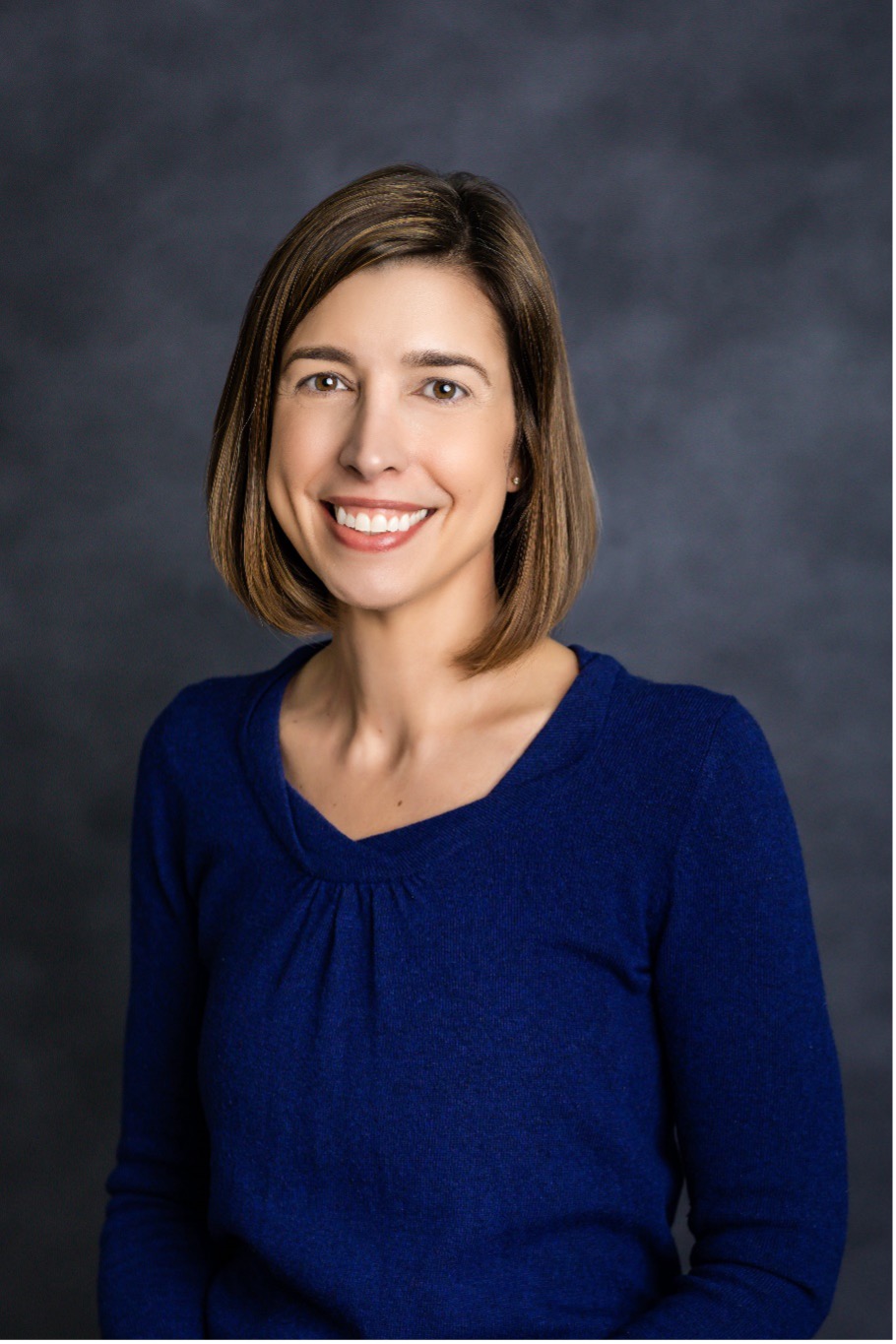
Saralyn Rubsam
Department of Psychiatry
University of Michigan
sara@speech-languagesolutions.com
|
|
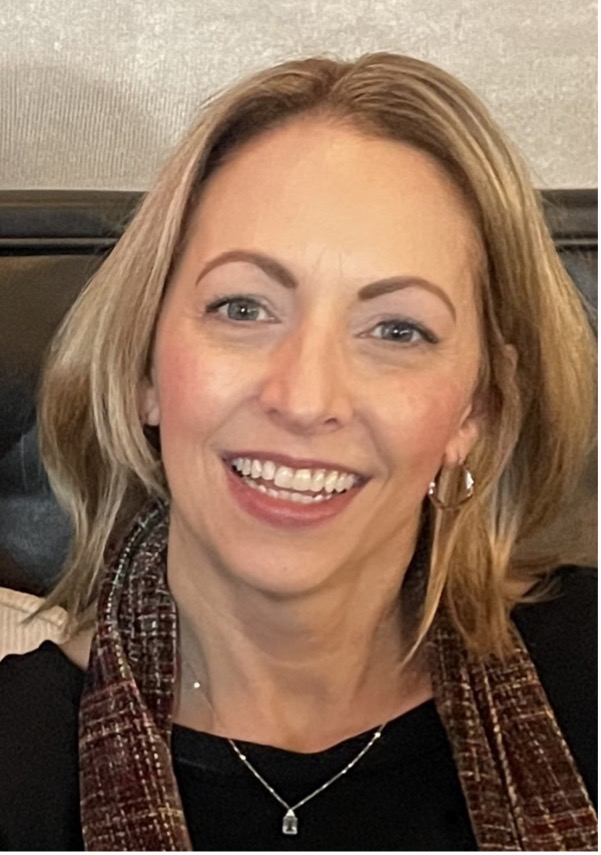
Kristin Hicks
Communication Sciences and Disorders
Michigan State University
hickskr@msu.edu
|
| Participants: | 120 CWS / 95 Controlls |
| Type of Study: | clinical |
| Location: | USA |
| Media type: | video, audio |
| DOI: | doi:10.21415/6yth-5b59 |
Browsable transcripts
Download transcripts
Media
Citation information
Users of this corpus must cite one of these two publication(s):
- Treleaven, S., Sheppard, M., Bernstein Ratner, N., Chang, S-E.
(2026). Expressive language growth among young children who do and do
not stutter. J Communication Disorders, 10.1016/j.jcomdis.2026.106659.
https://www.sciencedirect.com/science/article/pii/S0021992426000432
- Chang S-E, Zhu DC (2013). Neural network connectivity differences
in children who stutter. Brain, 136(Pt 12), 3709-3726.
https://pubmed.ncbi.nlm.nih.gov/24131593/
Other publications relevant to this corpus include:
- Chang S-E, Zhu DC, Choo AL, Angstadt M (2015). White matter
neuroanatomical differences in young children who stutter. Brain, 138(Pt
3), 694-711. https://pubmed.ncbi.nlm.nih.gov/25619509/
- Chow HM, Chang S-E (2017). White matter developmental trajectories
associated with persistence and recovery of childhood stuttering. Human
Brain Mapping, 38(7), 3345-3359.
https://pubmed.ncbi.nlm.nih.gov/28390149/
- Chow HM, Garnett EO, Koenraads SP C, Chang S-E (2023). Brain
developmental trajectories associated with childhood stuttering
persistence and recovery. Developmental Cognitive Neuroscience, 60,
101224. https://pubmed.ncbi.nlm.nih.gov/36863188/
Project Description
Corpus specifics at a glance:
- Participants ranged in age from 3:0 to 13:11
- 208 speech samples available from 120 CWS
- 186 speech samples available from 95 controls
- Longitudinal speech samples were collected at intervals of approximately 12–18 months.
This corpus contains speech and language samples collected across
multiple studies conducted by the University of Michigan Speech
Neurophysiology Lab under the direction of Dr. Soo-Eun Chang. These
studies include A longitudinal study of neural network development in
children who stutter and Neural oscillations underlying speech
perception and production in childhood stuttering. These studies were
supported by NIDCD grants R01DC011277 and R01DC018283 awarded to PI
Chang. This corpus includes only samples for which a parent provided
signed consent authorizing data sharing through TalkBank.
Collectively, these projects aim to advance understanding of the
neural mechanisms underlying developmental stuttering. This work focuses
on identifying how differences in brain structure, functional
connectivity, neural timing, and genetic factors contribute to the
onset, persistence, or recovery of stuttering.
The corpus includes both cross-sectional and longitudinal speech
samples from children who stutter and non-stuttering peers. Participants
were enrolled across early childhood through early adolescence, with
enrollment ages varying by study. Some cohorts were recruited near the
onset of stuttering (ages 3–6 years), while others were enrolled later
in childhood (ages 7-13 years). Longitudinal datasets include between
two and six assessment time points.
The types of speech samples collected vary across studies but
typically include conversational speech with a speech-language
pathologist, a narrative elicitation task using Frog, Where Are You? or
Frog Goes to Dinner, and an oral reading sample when age-appropriate.
For a subset of participants, conversational speech samples with a
parent or guardian are also available.
All participants were evaluated by a licensed and certified
speech-language pathologist (CCC-SLP). All participants demonstrated
speech, language, hearing, and cognitive abilities within normal limits,
with the exception of stuttering in the clinical group. A battery of
speech-language and cognitive assessments was completed for each
participant, and repeated each year of the longitudinal study.
Additional details about the studies included in this corpus can be
found in the key publications referenced above.
This spreadsheet summarizes
the available speech sample types for
each participant at each data collection time point. It also includes
each participant's age at every time point, providing an overview of the
longitudinal availability of speech samples across the dataset.