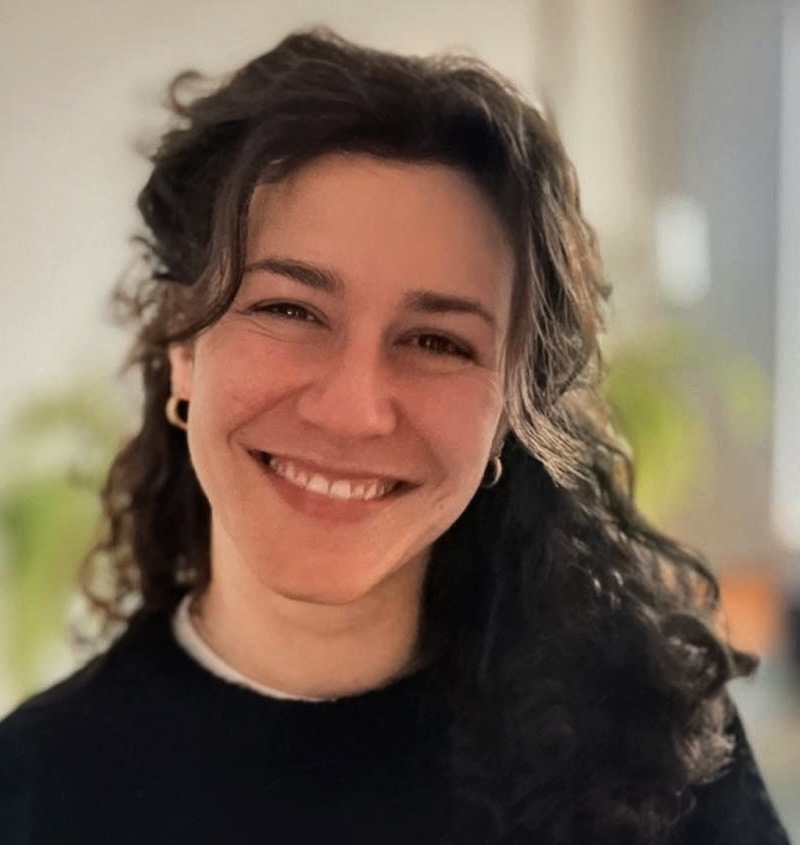
Clemence Guieu-Grandshire
Linguistics
Université Sorbonne Nouvelle
--
|
|
Clemence Guieu-Grandshire Linguistics Université Sorbonne Nouvelle -- |
| Participants: | 27 |
| Type of Study: | experimental, cross-sectional |
| Location: | France and Greece |
| Media type: | audio |
| DOI: | doi:10.21415/1wn5-e908 |
TextGrids are available here.
In accordance with TalkBank rules, any use of data from this corpus must be accompanied by at least one of the above references.
This corpus was collected for a PhD project on French–Greek monolingual and bilingual phonological acquisition and was funded by the Université Sorbonne Nouvelle and partly by the LabEx-EFL. 27 children were recorded in total: eight French monolinguals, nine Greek monolinguals, eleven French-Greek bilingual children: six growing up in France and five in Greece.
Bilingual children living in France are coded BilF, and those living in Greece are coded BilG. French and Greek monolinguals are coded MoF and MoG (=MoH in original study). All children are aged between 2;9 and 6;2.
Children were recorded three times at home, every six months, in a naturalistic setting. Bilingual children completed a picture-naming task in both French and Greek. Most target words remained the same across sessions, with some additions as children grew older.
Recordings were made with a Zoom H1n placed in front of the child. Instructions were given in the test language (French or Greek). The child was asked to name the picture. If no response was given, short prompts were used. If the child still did not respond, the picture was skipped and revisited later. After several unsuccessful attempts, the examiner (or the parent for Greek) produced the target word. In some cases, we asked the child to repeat the word, but most children repeated it spontaneously.
The corpus was segmented and transcribed phonetically in PHON. IPA transcription was double-checked for 10% of each session (= 30% total). Inter-transcriber agreement for simple consonants was above 90% in French and above 77.5% in Greek; for clusters, agreement exceeded 81% in both languages.
The bilingual status, ages, gender and locations of the children are given in this table.
The target Greek words are given in this table
The target French words are given in this table
Notes and warnings: